Showing posts with label Flatiron Books. Show all posts

04 May 2021

What I Read in April: Part 1

Time for another quick round-up of the books I've read and listened to lately. I finished 16 books in April, most of them audiobooks. Why so many books? I spent the month doing some major paper shredding and cleaning out a storage room. All that gave me hours of good listening time!

Here is part 1 of what I read last month, in the order I finished each book (part 2 will go live on Thursday). Note that the following thoughts are also available on Goodreads. Thanks to the publishers and to Libro.fm for the print, digital, and audiobook review copies. "AFM" means you can find my thoughts about the audiobook production over on the AudioFile Magazine website.

Review of The Babysitter by Liza RodmanThe Babysitter: My Summers with a Serial Killer by Liza Rodman (Atria, March): In the 1960s, author Liza Rodman spent the summers in Provincetown, MA, so her schoolteacher mother could take on seasonal work and party with her friends. Liza and her little sister were left in the care of whomever their mother could find. One of their favorites was Tony Costa, a charming local handyman who would buy the girls ice cream and take them on drives to the nearby woods. When Liza was 10, Tony disappeared from her life, and it wasn't until years later that she learned he had been sent to prison for the gruesome murder and dismemberment of several young women.

The story alternates between Liza's memories of the two or three summers she knew Tony, including her interactions with her neglectful, heavy-drinking mother, and sections based on investigations into Tony's life and crimes. I love true crime, but this book seemed to lack a gripping element. The murders were, of course, horrific, but Liza herself didn't seem to be in any danger. In addition, Tony is described as being well liked, despite the fact that he was into drugs and had a checkered work life. You may have better luck.

The audiobook was read by Andi Arndt and Aida Reluzco, who alternated between the chapters based on Liza's memories and the chapters based on Tony. Their performances were fine; nothing particularly outstanding or problematic.

Review of Lightseekers by Femi KayodeLightseekers by Femi Kayode (Mulholland, March): I like a good mystery and was drawn to this book because it takes place in contemporary Nigeria. The general set up is this: Philip Taiwo and his family return from a long residency in the United States to their native Nigeria. Philip is a criminal psychologist with an interest in hate crimes. He's picked to investigate a brutal murder that took place in a small university town.

The narrative is full of interesting details about life in modern Nigeria, from university life to the courts, the law, and the power of the wealthy. The characters were well wrought and multidimensional. Despite these strengths, the novel, as a mystery, didn't hold up for me. By the middle of the book, I felt lost--partly because the book itself lost focus and partly because I'm not familiar with Nigerian university culture and politics, which played large roles in the story.

Narrator Cary Hite did a fine job with the audiobook. His expressive delivery; varied tempo, cadence, and volume; and good accents strengthened the setting and enlivened the characters.

Review of Anna K by Jenny LeeAnna K: A Love Story by Jenny Lee (Flatiron, 2020): I'm not sure how I missed this contemporary retelling of Anna Karenina when it first came out. Set in Manhattan, this novel includes the familiar characters (like Count Vronsky) of the original but adds in pop and social media references and places most of the upper-class diverse cast in high school. The story follows Anna K and her brother and friends over the course of a party- and drama-filled school year and veers from Anna Karenina in a couple of significant ways.

Despite the multiple brand name references (it got a little tiring), it was easy to get drawn into the YA story, and you don't need to be familiar with Tolstoy to like Anna K. The author's note at the end explains Lee's choices for her version of the classic. I'm looking forward to reading the just-released follow-up novel, Anna K Away. (library book)

Review of All Girls by Emily LaydenAll Girls by Emily Layden (St. Martin's, Feb.): Set in 2015 over the course of a school year in a prestigious private all-girls high school in Connecticut, this story is told from a variety of perspectives. From the opening pages we learn about a 20-year-old rape accusation, which the school has buried and for which the male teacher has suffered no consequences. The over-arching thread of the novel is the mystery of the rape: Did it happen? Who did it? Was it a one-time event?

Each female voice has something to say about the case and its affect on the school. The students also reveal their inner life and the personal issues they face, from their own #MeToo moments to bullying, eating disorders, family pressures, and feminism. The chapters flow well with each other, and the story gives us lots to think about. A complaint is that it's easy to lose track of who is who among the students and staff (AFM).

Review of Dust Off the Bones by Paul HowarthDust Off the Bones by Paul Howarth (Harper, June 8): One of the best books of the year. Note that this is a sequel to Only Killers and Thieves (2018), which you should read first. (Click the link for my thoughts on book 1.)

Brothers Billy and Tommy McBride were forced into estrangement after their unwitting and complicated involvement in crimes against an Aboriginal community in the 1880s, when the boys were young teenagers. Now adults, Billy has become a wealthy landowner and seemingly has moved on from the tragedies of his youth. Tommy has changed his name, has rarely settled in one place, and has struggled all his life to come to terms with the events of his childhood.

Now almost 20 years later, a two-bit lawyer is hired to prosecute Noone, the brutal Native Police Inspector who was responsible for the crimes and for involving the boys. Noone, now a powerful and still cruel-man who is able to control a wide network of evil men, sets out to murder all witnesses to his earlier offenses. The McBride brothers are principal targets.

As in the first book, Howarth pulls no punches: there are no fairy tales in real life, and cold, calculating men don't soften with old age. Billy, Tommy, Noone, and others are vividly drawn and evoke strong and true emotions. The pace and tension are so tightly constructed it's almost impossible to put the book (or in my case, audiobook) down. Australia itself--the land, the people--plays a central role. This duology should be on your must-read list. Please try to avoid spoilers.

The unabridged audiobook was brilliantly read by David Linski, who also performed book 1. Linski portrays the characters perfectly and matches his tempo and volume with Howarth's style.

Review of One Two Three by Laurie FrankelOne Two Three by Laurie Frankel (Henry Holt, Feb.): This is the story of triplets, born in a town that has been scarred after a chemical plant contaminated their drinking water. Nearly everyone in the community has been affected, especially the children, most of whom are disabled in some way. Everyone who had any kind of money long since left the area; the ones who remain suffer in some way.

The Mitchell girls refer to themselves as One, Two, and Three (based on birth order). Mab, seems to be a typical teen, and Monday, the middle triplet, is on the autism spectrum. Mirabel is severely physically disabled, unable to speak or control her body, except one arm and hand. She is, however, intellectually brilliant and communicates through an app, which vocalizes what she types. Their father died from the poisoning and their mother has spent 16 years trying to get a class-action suit off the ground.

The story takes place over the course of a few months when the son of the original factory owner returns to town with his family to try to reopen the factory. Reminiscent of Love Canal or the PG&E case in California, this story is about the battle between big business profits and real people with real lives. The girls and other characters are sensitively and realistically portrayed. Very worth your while.

The unabridged audiobook was read by Emma Galvin, Jesse Vilinsky, and Rebecca Soler, who alternated the chapters told from the perspectives of the sisters. They conveyed the personalities of the girls nicely.

Review of Pride and Premeditation by Tirzah PricePride and Premeditation by Tirzah Price (Harper Teen, April): This was fun. Using the characters from and general time period of Austen's Pride & Prejudice, this first in a cozy mystery series works on a number of levels. While the characters are recognizable from their personalities, this book places them in a completely different context from the original. Longbourn and Pemberley are family law firms, and Bingley's family is in shipping. When Bingley is accused of murdering his brother-in-law, Lizzie Bennet and Mr. Darcy are both determined to solve the case.

Readers familiar with P&P will smile at the reconfigurations of Mr. Collins, Charlotte, Wickham, and others. The mystery itself was less engaging for me than Price's take on Austen. I enjoyed the book, though, and am looking forward to the next in the series.

The audiobook was nicely read by Morag Sims. Some listeners may have trouble with her accent and tone, so I advise giving the audio sample a try before buying.

Review of Lost in Paris by Elizabeth ThompsonLost in Paris by Elizabeth Thompson (Gallery, April): I picked this one up because the summary indicated a Jane Austen tie-in. That link turned out to be a very minor piece of the story, though Thompson includes a number of literary and and art references. The story is set in two time periods. In modern times, Hannah, an American woman living in London is surprised by a visit from her unreliable, alcoholic mother (Marla) who has been settling her own mother's estate back in their native Florida. Marla's showing up unannounced is only part of the surprise: Hannah's grandmother has willed the two women a paid-for apartment in the heart of Paris. In the past, we hear from the grandmother's mother, who lived in Paris in the 1930s, where she met many of the great writers and artists of the time.

This was only okay for me. The story was completely predictable and at the same time fairly unbelievable. I didn't connect enough to the women to root for any of them. Others will likely enjoy the details of Paris, the light romance, and the various mother-daughter themes.

The audiobook was read by Emily Tremaine and Imogen Church, who alternately took on the sections that were set in the present and past. I like both these narrators, but I don't think these were their best performances.

Click for more

01 February 2021

A Dozen Books; Or What I Read in Late January

Happy February! As I mentioned on Saturday, I know I've been little seen on social media as of late, but that suits my current needs. Still, I wanted to share what I've read and listened to since my last summary. If you follow me on Goodreads, then you've already seen my thoughts on these books. Thanks to the publishers, audiobook publishers, and/or Libro.fm for the review copies.

Review of Marion Lane and the Midnight Murder by T. A. WillbergMarion Lane and the Midnight Murder by T. A. Willberg (Park Lane; Dec. 29): Fun mystery/fantasy set in a secret, underground investigation agency in 1950s London. Unsolved crimes, mysterious letters, leftover and unused technology from World War II, and a closed-room-type murder. Can Marion Lane solve the crime, keep her job, and save her innocent colleagues before it's too late? This was good escape reading, with a clever concept and unique gadgets, though the plotting could have been tighter. The audiobook was adequately read by Karen Cass. Her pace was little quick, but she was nicely expressive.

Review of Nick by Michael Farris SmithNick by Michael Farris Smith (Little, Brown; Jan 5): I enjoy books that reimagine classics or are set in the same universe as a well-known novel. In this case, Smith creates the backstory for Nick Carraway (of The Great Gatsby fame) from his Midwest childhood, through World War I, and back to the States, where he eventually ends up in Long Island in the cottage next to Jay Gatsby. The story itself, especially of the war in France and in the trenches, is well done. The section that takes place in New Orleans is perhaps less successful. What's more, I'm not quite sure the book informs or expands on Fitzgerald's original. The good news is that Robert Petkoff did an amazing job as narrator (see my thoughts at AudioFile Magazine).

Review of Grounds for Murder by Tara LushGrounds for Murder by Tara Lush (Crooked Lane, Dec. 8). This first in a new series is set on a small island off the coast of Florida. When Lana Lewis, an award winning newspaper reporter, needs a fresh start, she returns to her home town to take over the coffee shop opened by her late mother. When her best barista quits and then is found murdered near the cafe's back door, Lana finds herself on the short list of suspects. Lush sets up a fun a cozy mystery, complete with a cute dog, an even cuter police chief, a rival coffee shop, and variety of local characters. Lana, of course, can't help but get involved with hunting down clues and with getting to know Chief Noah. Recommended for coffee lovers and light mystery fans.

Review of People Like Her by Ellery LloydPeople Like Her by Ellery Lloyd (Harper; Jan. 12). A contemporary thriller that focuses on a mommy blogger/Instagrammer who has hit it big. Emmy is a master at creating the illusion of being perfectly imperfect, so her millions of followers can believe she is just like them. Between sponsored content and photos that show her "messy" house or "unkempt" hair, Emmy gives off-the-cuff advice online and at live events. She and her husband, Dan (a one-trick novelist), live off her income and pride themselves on maintaining their privacy. What happens when that privacy is breached and personal photos begin to appear online and they acquire a stalker out to teach Emmy a lesson for perceived offenses? Though the plot was a bit draggy in places, the book does make you wonder about the safety of real-life mega influencers. The thriller part was creepy and there was at least one twist I didn't see coming. (For my thoughts on the audiobook, see AudioFile Magazine).

Review of Shiver by Allie ReynoldsShiver by Allie Reynolds (Putnam; Jan. 19). For her debut novel, Allie Reynolds draws on what she knows--competitive snowboarding--to set the scene for this closed-room-type thriller set in the French Alps. Ten years after a tragic competitive snowboarding season left one woman dead and other paralyzed, Milla receives an invitation to meet at the remote ski resort during the preseason to reunite with her ex-teammates. Right from the start, Reynolds paints the scene of cold, isolation, and danger, though the five friends are focused on each other more than their surroundings. Within hours, however, the group begins to suspect that there is more to this reunion than just finding closure, especially after their cell phones are stolen. Mysterious sights, sounds, and smells put them on edge, until they begin to fear for their lives. Who really invited them to the chalet and will any of them survive the weekend? The mystery is nicely set up, with a few good red herrings and revealed secrets. The story is told by Milla and alternates between then and now. I particularly liked the sections dealing with snowboarding. Good escape reading. (For my thoughts on the audiobook, see AudioFile Magazine).

Review of Tales from the Hinterland by Melissa AlbertTales from the Hinterland by Melissa Albert (Flatiron; Jan. 12). These dark tales are perfect for winter reading. Although the stories in this collection are set in the same universe as The Hazel Wood, you don't have to have read the novel to enjoy these creepy fairy-tale-like stories. I don't often read collections straight through, but I was totally caught up in these stories -- they have just right about of darkness. The stories with a moral (for example, be careful of what you wish for) don't hit you over the head with their lessons, and the illustrations (mostly black and red) are gorgeous.

Review of Icebound by Andrea PitzerIcebound by Andrea Pitzer (Scribner; Jan. 12). I love these kinds of books! In this well-researched book we learn all about the expeditions led by William Barents, a Dutch explorer who attempted find a northern route to Asia in the late 1500s. He sailed farther north than any other Westerner at the time, fending off the fabled (for the crew) white bears, getting trapped in ice, and facing bitter cold. On the last trip, Barents and his team were forced to spend a winter with dwindling supplies in a hut, they built from wood "borrowed" from their ship. Staying warm, finding food, staving off scurvy, and keeping sane over the long sunless months was amazing in itself. In the spring, however, the men realized they had to abandon their iced-in ship and try to make it home in a couple of small boats. Fascinating details about mutiny, early thoughts on polar ecology, issues with nutrition, confrontations with polar bears, and more. As I often do with nonfiction, I both read and listened to this gripping real-life story. Fred Sanders did an excellent job with the narration, keeping my total attention. Note that my listening experience was much enhanced by being able to follow the voyages on the maps included with the print/digital book.

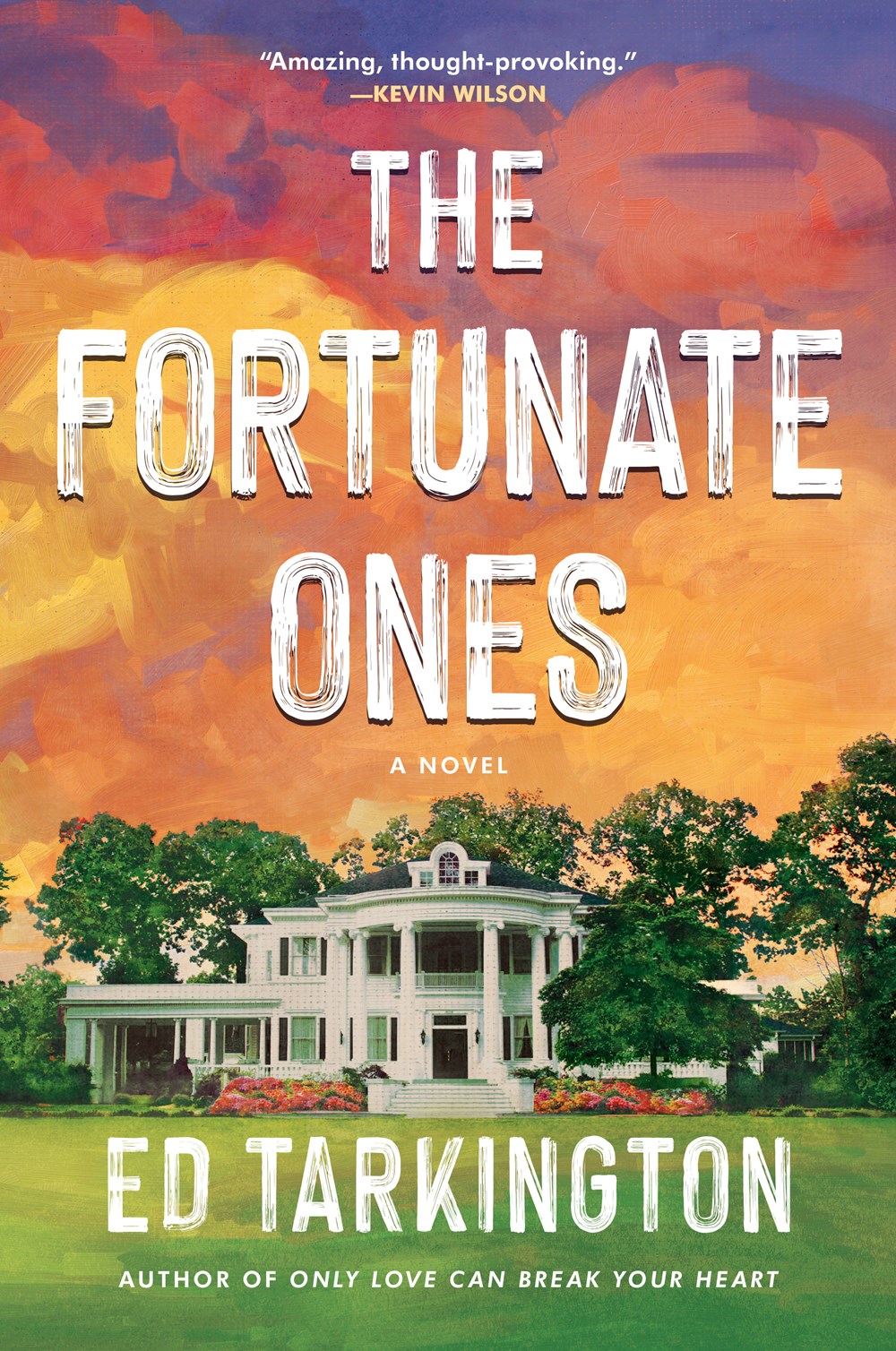
Review of The Fortunate Ones by Ed TarkingtonThe Fortunate Ones by Ed Tarkington (Algonquin; Jan. 5). I really liked this coming-of-age story set mostly in Nashville about Charlie, a poor, fatherless boy living on the wrong side of town with his pretty mother and wannabe singer aunt. Charlie's prospects change when his mother gets a job being the "helper" of a rich woman. The job comes with definite perks: Charlie and his mother now live in the pool house of the wealthy family and Charlie attends a prestigious private school on scholarship. Charlie also befriends Vanessa and Jamie, the twins who live in the big house. Charlie's most significant new relationship, though, is with Archer, a fellow student who is tapped to guide Charlie through the intricacies of school life. Archer ends up teaching Charlie much more than the school fight song, helping him learn to live among the rich and privileged. This is an engrossing read that examines boyhood friendship, first love, the choice between following what's expected and following one's own dreams, truths and secrets, rich and poor, white and black. Excellent story and highly recommended. (For my thoughts on the audiobook, see AudioFile Magazine).

Review of The Age of Wood by Roland EnnosThe Age of Wood by Roland Ennos (Scribner; Dec. 1). I really enjoyed this fascinating retelling of human evolution that puts trees and wood at the hub of our physical and cultural and technological changes over the last 3 million years or so. As a student of human evolution (I have a PhD), I was interested in Ennos's tweaking of the focus from fire, stone, iron, and bronze through to silicone to our dependence on wood throughout our history, even unto today. His well-though-out arguments include everything from politics (the role of trees in starting the US Revolutionary War) to biology (the development of typical primate traits, such as nails instead of claws) to migration and travel (boats, wheels) and to shelter (even today's houses are still framed in wood or wood products). If you're a student of human evolution, this book will give you much to think about. But in any case, it will make you appreciate the trees and wood products that are part of your everyday life. As is often the case with nonfiction, I both read and listened to this book. (For my thoughts on the audiobook, see AudioFile Magazine).

Review of The Heiress by Molly GreeleyThe Heiress by Molly Greeley (William Morrow; Jan. 5). I generally like books that retell classics or reimagine a fuller life for minor characters. In this book, Molly Greeley turns the spotlight on Anne de Bourgh, the daughter of Lady de Bourgh and the "promised from birth" bride to Mr. Darcy, introduced in Austen's Pride & Prejudice. While the general concept of the novel was good and it was fun to get glimpses of Anne's male cousins and Elizabeth Bennett through her eyes, the novel didn't work for me on a number of levels. Note that the next few sentences hint at some minor spoilers. Here are my negative thoughts in short form: There was not a strong enough driving force to keep me invested in Anne's ultimate fate, which was foreshadowed fairly early on. I would have liked to have seen more direct confrontations between Anne and her mother. Anne's "cure" from her lifelong affliction was in and of itself believable, but the fact that she was so easily able to move on from it did not seem so believable. I questioned some of Anne's choices, especially since she made a major one without consulting her solicitor. Though she reconnected with the Darcys, I think there was a missed opportunity for Anne to have a relationship with Lizzy, especially given Anne's newfound thoughts about feminism. Finally, the ending was a little hokey for me, though it did serve as a means to let us know what happened to various characters. The audiobook was very well read by Ell Potter, whose expressive performance highlighted Anne's transformation and picked up on the various characters' personalities.

Review of The Narrowboat Summer by Anne YoungsonThe Narrowboat Summer by Anne Youngson (Flatiron; Jan. 26). What a charming and fun story. When Eve and Sally cross paths along the canal and, though strangers, decide to rescue a howling dog who's locked in a narrowboat, they had no idea their lives were about to change forever. After meeting the boat's (and the dog's) owner, the two women, for a number of reasons, agree to take the boat through the canals of England to get it serviced. Meanwhile the owner must undergo some medical treatment. The slow trip through England, the people the women meet, their growing confidence with controlling the boat and going through the locks, and their own personal growth won me over. It made me wish for just such a summer.

Review of The Divines by Ellie EatonThe Divines by Ellie Eaton (William Morrow; Jan. 19) This dual-time period coming-of-age story worked on some levels and didn't on others. In the 1990s Jo was a student at an elite private girl's school in England, where she was sometimes one of the cool girls and sometimes not. Even among friends, all the girls experienced at least some level of bullying, but for those who were at all different, bullying was the norm and done out in the open. On her honeymoon decades later, Jo impulsively visits the now-defunct school's campus, and from there, unresolved issues, relationships, regrets, and memories bubble up, haunting her and her marriage for years. Much of this story had a feeling of truth. Girls can be so mean to each other. But do school authorities, even those who work in a private school for the very rich, really allow this much blatant meanness and disregard for their teachers and the rules? What do I know as an American who went to (albeit a small one) public school in more innocent time? Jo's relationship with her husband was also equally believable and not. He seemed a little too perfect, and she seemed to have hidden way more than she needed to. I get why she didn't want to confess all her childhood sins, but she seemed to share very little with him of what happened that final year at the school and the tragedy that occurred. I'm not sorry I listened to this, especially because Imogen Church did such a great job with the narration -- getting the accents, the voices, the attitudes just right.

Click for more

30 November 2020

Stacked-Up Book Thoughts; Or What I Read in November

8 books to read right nowCan it be? This year is almost over, and most of us can't wait to say good-bye to 2020 and hello to new possibilities and a happier new year. November turned out to be a kind of bust of a reading month. The first week was taken up with election news and the last week with Thanksgiving. In between I read and listened to small batch of meh books. Well, some months are like that, I guess.

I'm still in the middle of three books: one is a book of essays, one is nonficiton, and the other is a thriller. I'll write about those at the end of December. In the meantime, here are my thoughts on November in books.

Note that I've also posted these thoughts in GoodReads. Thanks to the publishers for the review copies -- whether audio, digital, or print. If you see "AFM" at the end, visit AudioFile Magazine to see my review of the audiobook production.

First I want to mention a book I didn't finish. Early in November I started Tower of Fools by Andrzej Sapkowski (trans. David A. French, Orbit, Oct. 27). This book has all kinds of elements I usually really love: history, religious politics, Renaissance, and fantasy. It's also a book in translation, which is normally a draw for me. Unfortunately, it just didn't click, maybe owing to my pre-election mood. I might try this again.

8 books to read right nowWe Keep the Dead Close by Becky Cooper (Grand Central, Nov. 10). This is true crime about the 1969 murder of a Harvard anthropology grad student. I was interested in the book for two reasons: (1) I'm fan of true crime and (2) I have a doctorate in physical (biological) anthropology and knew about this case and was familiar with some of the people in the Harvard anthropology department.

It's clear Cooper dug deep into this case, conducted as many interviews as possible, and honored the life and work of the victim, Jane Britton. I know published reviews praised this book to the ends of the earth, and I can see why because of the quality of Cooper's investigation and because the book reveals many less-pleasant aspects of academia and graduate departments: gender inequality, socioeconomic privilege, department politics, and Harvard culture. On the other hand, Cooper's account could have used a tighter edit to eliminate filler, tangents, some of the dead-end paths, and some rambling. Still, if you like true crime, you'll like We Keep the Dead Close.

I listened to the unabridged audiobook, which was read by the author. Cooper did only an okay job as a narrator. She's clearly not a professional or a dynamic voice actor, and a few mispronunciations were annoying. My advice is to listen to a sample before trying the audiobook.

8 books to read right nowSweet Harmony by Claire North (Orbit, Sept. 22). Set in the future, this short book explores addiction, relationships, FOMO, self-image, and an acquisitive society. In Harmony's world, people can buy biological upgrades through a phone app: no more broken-out skin and no more weight gain; it's possible to have perfect teeth, perfect hair, level moods, perfect health, and so on. The problem is, each upgrade comes with a monthly fee, quickly plunging Harmony into insurmountable debt. When she can't pay, her enhancements stop working, one by one, which not only affects her self-image but also leads to the destruction of her relationships and her being downsized at work.

North offers an interesting perspective on many contemporary issues, which might make this a good book club pick. I, however, simply just didn't like Harmony and couldn't get behind her choices. If the book had been any longer, I'm sure I would have DNF'd it. For my thoughts on the audiobook, see AFM.

8 books to read right nowThe Constant Rabbit by Jasper Fforde (Viking; Spet. 29). I love Fforde and went into this book with high hopes. Warning: It took me a while to warm up to the story, and it is certainly not my favorite of his books. What I did like was the satire on all things sociopolitical in contemporary America and the UK.

The book opens about 50 years after there was a cosmic event in which several species of mammals (including rabbits, weasels, and foxes) and a few insects became anthropomorphized. While these creatures retained much of their animal characteristics, they also became kind of human: they were able to speak and read and drive cars and own homes and have jobs right along side humans. Fforde uses the interactions between people and the human-like animals to explore prejudice, integrated neighborhoods, power, equal rights, citizenship, and so on.

There were some laugh-out-loud moments and lots to think about. On the other hand, the whole thing became a bit wearying once the general gist and message were clear. My very positive review of the audiobook can be found at AFM.

8 books to read right nowThe Arrest by Jonathan Lethem (Ecco; Nov. 10). Set in the future, this book explores what happens to society and the world when we suddenly lose the power to run our TVs, computers, phones, and cars. Different groups of people react differently to the new normal, some making political power grabs and others trying communal living, hiding in isolated paranoia, forming bands of militia, and so on. Without mass communication, no one knows what's happening in the world outside their own small community.

When the Arrest happened, Hollywood script doctor Sandy was visiting his sister, who runs an organic farm in Maine. When transportation and communication go down, Maine is where he had to remain, and he now does odd jobs for the town's butcher and for the farm. Where Sandy lives, all is peaceful. The residents have almost no contact with outsiders until a mega movie producer friend from Sandy's past shows up in a mysteriously powered vehicle and begins to woo the town and disrupt the delicate balance of peace.

The book was only okay for me. The drama and tension among Sandy, his sister, and his friend didn't fully resonate, and I found much of the story just kind of weird. I liked the dynamics of the town and its relationship to the more militant group that lived nearby, but I was less intrigued when the plot spun into a different orbit. On the other hand, Robert Fass did a super-duper job with the narration of the audiobook, especially in the way he created a mood and connected us to the characters' mental state.

8 books to read right nowThe Orchard by David Hopen (Ecco; Nov. 17). I really wanted to love this book because I was taken by the premise: An ultra-Orthodox Jewish family from Brooklyn moves to south Florida to another Orthodox Jewish community, but one that is more connected to contemporary America.

Ari Eden is just about to start his senior year of high school. In Brooklyn, his yeshiva concentrated mostly on Jewish studies, preparing young men to be good members of their closed, religious community. The Florida yeshiva, however, covers all subjects and while religious, also prepares its students (male and female) for college and life in the world at large.

The story promises to show how Ari adjusts to his new life, mingling with Orthodox Jews who bend the law--for example, not always wearing a yarmulke and allowing casual touching between unrelated men and women. While the book is a lot about that, the events and relationships don't seem at all realistic. Ari quickly falls in with the cool kids; has a girlfriend; and discovers smoking, drinking, and drugs. Despite being well behind in some academic subjects, he seems, with minimal tutoring, to keep up with the rest of his class and is on a path to graduation and possibly college. His friends are privileged and wild, suffering few consequences for their actions. At the same time, they come off as religious and philosophical scholars.

The boys' explorations into the mysteries of God and the spiritual world don't ring true. It's hard to imagine seniors in high school behaving and thinking the way they did. The cast includes at least three high school girls and a couple of adult women, all of whom are uni-dimensional and seem to appear only for a love interest or for motherly concern. It's a shame, because the the setup offered much to be explored about the interface between strict religious traditions and contemporary society.

8 books to read right nowThe Survivors by Jane Harper (Flatiron, Feb. 2). I'm a big fan of Jane Harper, and her newest didn't disappoint. When Kieran returns to small coastal town in Tasmania to help his mother settle his father in a nursing home and close up his childhood home, he knew things would be uncomfortable. After all, a dozen years ago during a tremendous storm, he got trapped on a rocky beach; when his brother and a friend tried to rescue him, their boat capsized and the pair drowned. Most people in the small town (and maybe even Kieran's parents) blame Kieran for those deaths, though the storm also took others, including a teenage girl whose body was never found.

On Kieran's first night home, a young woman is murdered on the beach. The investigation opens up old wounds and hurts within the community, affecting Kieran's relationship with his parents, his friends, and even his girlfriend and their infant daughter.

This is a multilayered, atmospheric mystery that masterfully interlaces the past with the present. Harper has a way of making the landscape come alive, acting almost as another character. The story is character driven, and Kieran's personal journey is as important as solving the murder. This is a don't-miss read.

Narrator Stephen Shanahan is a perfect match to Harper's prose, and he once again captures the heart the soul of her work. Recommended in either print or audio.

Click for more

28 November 2020

Weekend Cooking: 3 New Cookbooks

Happy Thanksgiving weekend to my fellow Americans. I believe this weekend also covers a holiday in Scotland (on Monday), and I think it's also the start of Advent (on Sunday). In any case, holiday or no, hope your weekend is safe and relaxing.

As I mentioned a few weeks ago, I've been blessed to receive a number of super cookbooks this fall, and I'm determined to share as many as I can with you before the year is over. Today's eclectic trio would make good gifts or additions to your own kitchen, though they're very different from each other.

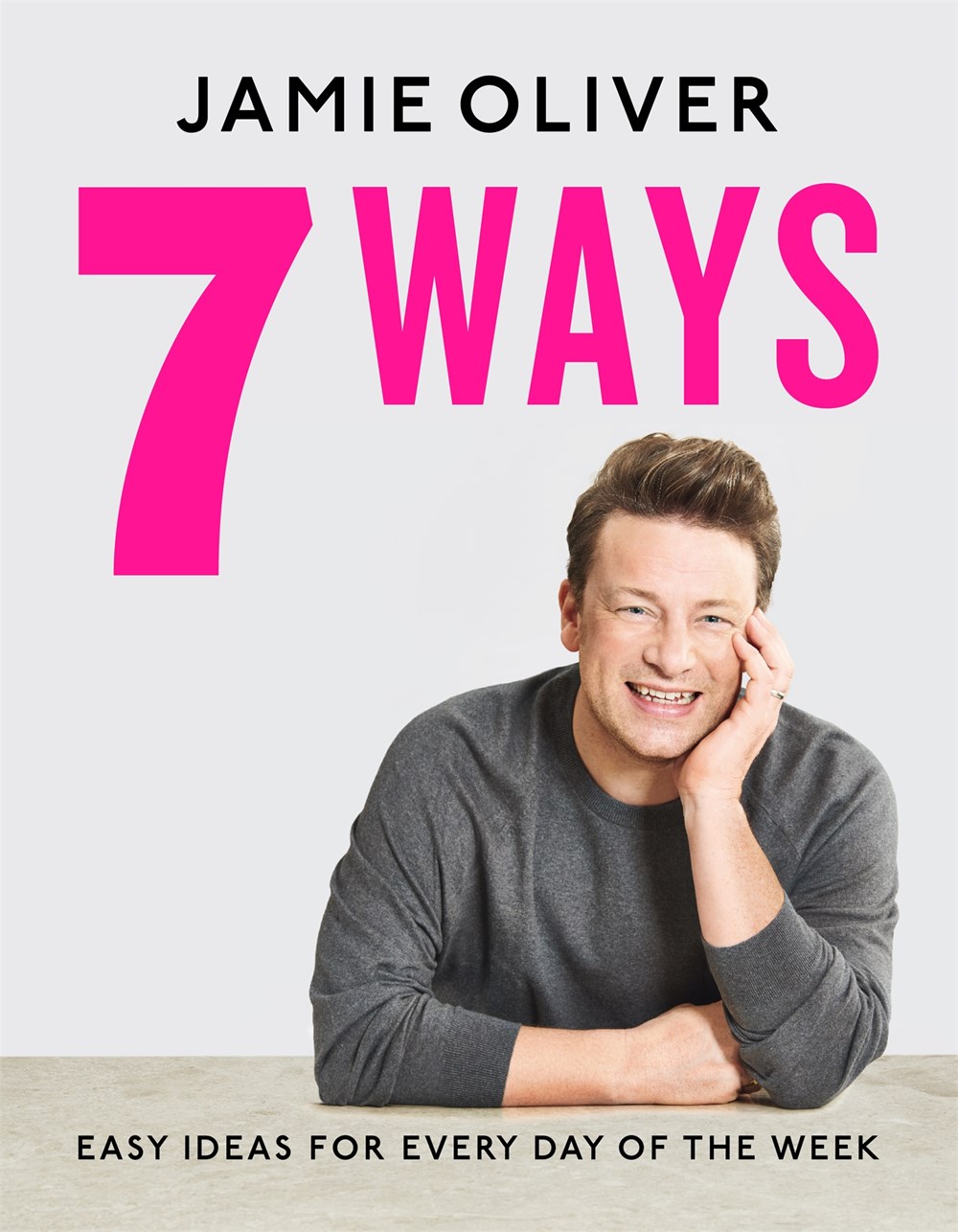
3 new cookbooks for fall 2020First up is Jamie Oliver's 7 Ways (Flatiron, Nov. 10). This is a down-to-earth, practical cookbook that should have broad appeal. Here's the concept: Oliver focuses on 18 common foods (like broccoli, chicken breast, shrimp, eggs, and potatoes) and provides 7 recipes for each one. The idea behind 7 Ways is to give us new ideas for using staple ingredients. Most recipes can be made in well under an hour and use reliable shortcuts, like canned beans, store-bought stocks, and jarred sauces.

Things I love: Each recipe is straightforward, short, and accompanied by a full-page photo and nutritional information. Oliver provides two indexes: one standard at the back of the book and one at the beginning that groups recipes by type: one pot, sheet pan, pasta, copycat take-out dishes, and so on.

I've made a few dishes from 7 Ways and, as you might expect from Jamie Oliver, they were all delicious. Here's what I made: broccoli minestrone, sweet potato and chicken chop suey, sweet potato stew, bolognese (with beer in the sauce -- OMG good), and spicy shrimp noodles. Here are a few things I have marked to try: broccoli and tuna pasta, cauliflower and chickpea curry, butter chicken, mushroom risotto, sticky ginger beef, and pork and black bean sauce.

Recommended for busy cooks, those of us who need some inspiration, and inexperienced cooks who are ready for the next step. Special diets: Vegetarians will find quite a few recipes in 7 Ways, but vegans might have trouble. Lots of gluten free choices. Thanks to Flatiron for the review copy.

3 new cookbooks for fall 2020Everyone should put Marcus Samuelsson's The Rise (Voracious, Oct. 27) on their to buy or to borrow list. As the cover of the cookbook indicates, The Rise is all about celebrating Black cooks and chefs and their influence on American cooking. I probably don't need to tell you that Black cooks are rarely in the American household limelight.

Samuelsson corrects that omission by featuring more than 70 Black Americans in the food business. We learn their stories and their culinary influences, and we are also treated to their recipes. The Rise is divided into four main chapters covering the future of Black cooking, contemporary fusions, how Black dishes were changed and integrated during the Great Migration, and the way Black cooks are reclaiming their global culinary heritage. Samuelsson also includes a chapter on ingredients, sauces, and spices; a section on resources; ways to follow Black cooks on social media; and a list of other Black chefs to pay attention to.

The Rise is a book to read and to learn from as much as it is a book to cook from. I haven't yet tried any of the dishes, though plenty of recipes appeal to me. What I truly love about The Rise is the narrative text, which expanded my culinary vision of America. Marcus Samuelsson's latest is recommended to anyone who is interested in a fuller picture of American cooking. Note: Some recipes call for unfamiliar (at least to me) ingredients. Thanks to the Voracious Ambassador Program for the review copy.

3 new cookbooks for fall 2020Here's something for those of you looking for a little fun and who would like to bring some magic into your kitchen: Ashley Craft's The Unofficial Disney Parks Cookbook (Adams Media; Nov. 10). Inside the covers of Craft's cookbook are 100 recipes inspired by dishes served at the "Happiest Place on Earth."

Craft starts out introducing us to the different U.S. parks and kingdoms as well as the equipment needed to make the recipes. The recipes in The Unofficial Disney Parks Cookbook are divided by theme park, and each chapter includes a map of the park and where to buy each yummy treat that inspired the recipes to follow. Craving Cookies and Cream Mickey Cupcakes, Macaron Ice Cream Sandwiches, Peter Pan Floats, School Bread, or Mr. Kamal's Seasoned Fries? You don't need to buy a ticket to make your favorite Disney treat at home.

Though most of the recipes are for sweets and snacks, Craft also includes recipes for pulled pork, carnita tacos, mac and cheese, and chili. Craft introduces each recipe with information about the dish, the history of the dish in the park, and/or variations. She also provides tips and tricks and "Did You Know?" fun facts.

The Unofficial Disney Parks Cookbook is recommended to Disney fans everywhere. Put this on your holiday gift-giving list; it's sure to bring a little happiness to whoever is lucky enough to a get a copy. Thanks to Abrams Media for the review copy and for allowing me to share the following recipe. You may have to click the scan to make it big enough to read.

Shared with Weekend Cooking, hosted by Marg at The Intrepid Reader (and Baker)

Click for more

07 August 2020

12 True Stories to Read This Month

Although I seem to be lost in a sea of speculative fiction and mysteries/thrillers during these trying times, I haven’t forgotten that I normally love nonfiction. In fact, I’ve already finished one of the books on this list and have another one in my queue.

If you can’t quite face true stories right now, jot down the titles that call to you and save them for brighter days.

Most of the following books are coming out this month, but please double-check because publishing dates are unreliable this year. Summaries are cobbled from the publishers; audiobook information is included.

Olive the Lionheart, Being Lolita, The Book of Atlantis Black, The Fixed Stars
Life Stories
  • Olive the Lionheart by Brad Ricca (St. Martin’s Press): In 1910, Olive MacLeod, a thirty-year-old, redheaded Scottish aristocrat, received word that her fiancée, the famous naturalist Boyd Alexander, was missing in Africa. So she went to find him. This is the thrilling true story of her astonishing journey. Based on firsthand sources (letters and diaries). Audiobook: Read by Billie Fulford-Brown; 11 hr 31 min; Macmillan Audio
  • Being Lolita by Alisson Wood (Flatiron): The true story of how the author came under the thrall of her high school English teacher, and it all began when Mr. North gave Allison a copy of Lolita. This is a stunning coming-of-age memoir that shines a bright light on our shifting perceptions of consent, vulnerability, and power. Audiobook: Read by Alisson Wood; 6 hr, 46 min; Macmillan Audio.
  • The Book of Atlantis Black by Betsy Bonner (Tin House): A young woman is found dead on the floor of a Tijuana hotel room. An ID in a nearby purse reads “Atlantis Black.” The police report states that the body does not seem to match the identification, yet the body is quickly cremated and the case is considered closed. So begins Betsy Bonner’s search for her sister, Atlantis, and the unraveling of the mysterious final months before Atlantis’s disappearance, alleged overdose, and death. Using her sister’s online history, the author sets out to find out what happened. This is a haunting memoir and piercing true crime account. Audiobook: Read by Laura Jennings; 5 hr, 15 min; Blackstone.
  • The Fixed Stars by Molly Wizenberg (Abrams): This is the story of how a straight wife and mother discovered that her self-identified sexuality and images of family changed irrevocably after a chance meeting with a woman lawyer. This memoir explores timely and timeless questions about desire, identity, and the limits and possibilities of family. It’s a frank and moving story about letting go of rigid definitions and ideals that no longer fit and of learning instead who we really are. Audiobook: Read by Erin Mallon; 6 hr, 21 min; Dreamscape.
End of Everything, Vesper Flights, Gods of the Upper Air, Leave It as It Is
Science and Nature
  • The End of Everything by Katie Mack (Scribner): An accessible and eye-opening look at five ways the universe could end, and the mind-blowing lessons each scenario reveals about the most important concepts in cosmology. Told with lively wit and humor, this is a wildly fun, surprisingly upbeat ride to the farthest reaches of all that we know. Audiobook: Read by Gabra Zackman; 6 hr, 21 min; Simon & Schuster Audio.
  • Vesper Flights by Helen Macdonald (Grove): A transcendent collection of essays about the human relationship to the natural world “Animals don’t exist in order to teach us things, but that is what they have always done, and most of what they teach us is what we think we know about ourselves.” This is a captivating and foundational book about observation, fascination, time, memory, love and loss and how we make sense of the world around us. Audiobook: Read by Helen Macdonald; 10 hr, 22 min; Recorded Books.
  • Gods of the Upper Air by Charles King (Doubleday): A dazzling history of the birth of cultural anthropology and the adventurous scientists who pioneered it—a sweeping chronicle of discovery and the fascinating origin story of our multicultural world. A century ago, everyone knew that people were fated by their race, sex, and nationality to be more or less intelligent, nurturing, or warlike. But Columbia University professor Franz Boas looked at the data and decided everyone was wrong. Racial categories, he insisted, were biological fictions. His students were some of the century’s most colorful figures and unsung visionaries whose revolutionary findings would go on to inspire the fluid conceptions of identity we know today. Audiobook: Read by January LaVoy; 13 hr, 32 min; Random House Audio.
  • Leave It as It Is by David Gessner (Simon & Schuster): From Theodore Roosevelt’s rallying cry of “Leave it as it is” (referring to the Grand Canyon) to today’s continued environmental fight to save our wild areas, conservation has never gone out of style. This is an account of a nature writer’s retracing of Roosevelt’s steps through the grandeur of our public lands, telling the story of the president’s life as a pioneering conservationist and offering an arresting history, a powerful call to arms, and a profound meditation on our environmental future. Audiobook: Read by Fred Sanders; 12 hr, 24 min; Simon & Schuster Audio.
Berlin 1936, The Craft, Children of Ash and Elm, Iron Empires
History
  • Berlin 1936 by Oliver Hilmes (Other Press; paperback): A lively account of the 1936 Olympics told through the voices and stories of those who witnessed it, from an award-winning historian and biographer. The book takes the reader through the sixteen days of the Olympiad, from the activities in the stadium to the lives of ordinary Berliners, offering a last glimpse of Germany’s vibrant and diverse life, before the Nazis tried to destroy it. Audiobook: no information
  • The Craft: John Dickie (Hachette): The history of the Freemasons and how it influenced history, society, and government around the globe. Yet the Masons were as feared as they were influential. This is an enthralling exploration of a the world's most famous and misunderstood secret brotherhood, a movement that not only helped forge modern society but has substantial contemporary influence, with around six million members across the world. Audiobook: Read by Simon Slater; 16 hr, 35 min; Hachette Audio.
  • Children of Ash and Elm by Neil Price (Basic Books): Written by an archaeologist, this is billed as the definite history of the Vikings told on their own terms: their politics, their cosmology and religion, their material world. Known today for a stereotype of maritime violence, the Vikings exported new ideas, technologies, beliefs, and practices to the lands they discovered and the peoples they encountered and, in the process, were themselves changed. Audiobook: Read by Samuel Roukin; 17 hr, 25 min; Recorded Books.
  • Iron Empires by Michael Hiltzik (HMH): After the completion of the Transcontinental Railroad, America’s railways soon exploded into a titanic industry helmed by a pageant of speculators, crooks, and visionaries. This is an account of the vicious competition between empire builders and how the iconic figures of the Gilded Age, the robber barons, drove the country into the twentieth century—and almost sent it off the rails. Audiobook: Narrator and publisher not yet available; 15 hr, 57 min

Click for more

13 July 2020

21 Books: Catching Up with Reviews

Here's what I've read since my last check-in. All books were received for review or for a freelance assignment unless otherwise indicated. Where you see "AFM," please check out my full audiobook review on the AudioFile Magazine website. Also note that I've given fuller treatment to some of these titles over on Goodreads.

Recommended Books for Summer 2020
  • Age of Empyre by Michael J. Sullivan (Grim Oak Press, June 2020): This is the final installment of the Legends of the First Empire series. If you like great characters, terrific world building, and good action in your epic fantasies, then you need to read everything Sullivan has written. Better yet, listen to the audiobooks brilliantly read by Tim Gerard Reynolds. (personal collection)
  • Pile of Bones by Michael J. Sullivan (Audible Studios, Jan. 2020): This short story takes place in the same universe as the Legends of the First Empire series. If you're a fan, you need to listen to this, read by Tim Gerard Reynolds. (personal collection)
  • The Ballad of Songbirds and Snakes by Suzanne Collins (Scholastic, May 2020): This is a prequel to the Hunger Games series. I enjoyed seeing something of the background to the games and to Snow. AFM
Recommended Books for Summer 2020
  • The Jane Austen Society by Natalie Jenner (St. Martin's Press, May 2020): Set in post-World War II England, a group of very different and differently broken people come together to help preserve Jane Austen's cottage and legacy in Chawton. Deserves the buzz; you don't have to be familiar with Austen to like this book.
  • Red Sky over Hawaii by Sara Ackerman (Mira, June 9): This book starts just a day before the attack on Pearl Harbor and is set on the Big Island of Hawaii. It's both a story of young woman trying to understand her late father as well as a tale of doing the right thing and protecting those in your care. It also has some romance.
  • Unreconciled by W. Michael Gear (Daw, May 2020): This is the fourth in the Donovan series set on a remote planet in the distant future. I love so much about these books, including the characters and the world building. Even more, though, I like the way Gear explores several issues connected to colonization of a "new" world and the connections between the colonizers and their motherland. As always for this series, I part read and part listen. Alyssa Bresnahan does a great job with the narration.
Recommended Books for Summer 2020
  • The Vanishing Half by Brit Bennett (Riverhead, June 2): An excellent novel that tells the story of teenage very light-skinned Black twins who run away from their small Louisiana town to NOLA. From there they lose track of each other as one disappears again, this time to marry a white man and pass into a new world of the rich and comfortable; the other marries an abusive man, whom she leaves to return to her childhood home. The story follows them and their daughters and focuses on the consequences of each woman's decisions. #OwnVoices AFM
  • The Boyfriend Project by Farrah Rochon (Forever, June 9): A fun rom-com featuring three Black women who meet when they realize they've all been two-timed by the same guy. Humor and romance mixed with feminist issues. #OwnVoices AFM
  • What I'm Looking For by Karen Grey (Home Cooked Books, June 2020): Another fun rom-com, this one set in Boston in the 1980s. A female financial analyst who is trying to make it in a man's world meets a Shakespeare actor who is unsure about his ambitions. Good period details. Well-done audiobook (see Goodreads for more).
Recommended Books for Summer 2020
  • The Book of Eels by Patrik Svensson (Ecco, May 2020): A beautiful book that is partly about the natural life of the eel and partly a moving tribute to the author's father. I was surprised and fascinated by what I learned about the eel and loved hearing the stories of Svensson's father. Give this book in translation a try. AFM
  • Recipe for Persuasion by Sonali Dev (William Morrow, May 2020): An enjoyable take on Austen's classic novel featuring a chef, a soccer star, and a reality cooking show. #OwnVoices AFM
  • Mirgations by Charlotte McConaghy (Flatiron, Aug. 2020): I wrote about this on Instagram and Goodreads. Set in the not too distant future, this book explores relationships, climate change, and the Arctic tern. One of my favorites of the year. Narrator Barrie Kreinik tapped into the emotional core of the story.
Recommended Books for Summer 2020
  • Death of a Chimney Sweep by M.C. Beaton (Grand Central, 2012): The 26th in a fun, light mystery series featuring a village copper who solves all the cases in a small Highland town. Love the characters, the Scottish setting, and the mysteries. Narrator Graeme Malcolm is a pleasure to listen to. (personal collection)
  • The Bothers York by Thomas Penn (Simon & Schuster, June 2020): My favorite way to learn history is to combine listening with reading, which is what I did here. Penn makes the complexities of the War of the Roses accessible, and I'm beginning to get a handle on this period of British history. Roy McMillan held my attention with his expression and sense of pacing, though he could have more clearly distinguished direct quotations from the narrative.
  • The Wedding Thief by Mary Simses (Back Bay Books, July 2020): A rom-com on the surface with some deeper themes of family, sisters, forgiveness, and understanding. Some of the characters went a little too far in their antics for my tastes, but all in all fine summer read.
Recommended Books for Summer 2020
  • Killer Chardonnay by Kate Lansing (Berkley, May 2020): Good start to a new cozy mystery series. I liked the details of the Boulder, Colorado, setting as well as the introduction to the characters and premise of the series. The mystery was well presented with good red herrings. AFM
  • The Ancestor by Danielle Trussoni (William Morrow, April 2020): I read this earlier in the year and forgot to write about it. A Gothic story of a young woman who inherits land and a castle in the Italian Alps from a relative she never knew she had. A dream come true? Not necessarily. Can't say more without spoiling it, but this is one of my favorites of the year.
  • When We Were Vikings by Andrew David MacDonald (Gallery, Jan. 2020): This is by far my favorite book of the the year right now.  A super coming-of-age story about a young woman who has fetal alcohol spectrum disorder. Narrator Phoebe Strole's performance is amazing. (See Instagram and Goodreads for details.)
Recommended Books for Summer 2020
  • Death of a Kingfisher by M.C. Beaton (Grand Central, 2012): The 27th Hamish Macbeth mystery gave me all I expect from this series. Graeme Malcolm narrated. (personal collection)
  • The Last Train to Key West by Chanel Cleeton (Berkley, June 2020): Three women who need change cross paths during the 1935 Labor Day hurricane, which caused much damage and many deaths in the Florida Keys. Loved the period details and was fooled by a couple of twists. AFM
  • The Patron Saint of Pregnant Girls by Ursula Hegi (Flatiron, Aug. 2020): I had mixed feelings about this book about three women and their children, set in the late nineteenth century in Germany along the shores of the North Sea. Maybe a little too unreal for me? AFM

Click for more

20 December 2019

10 best books of 2019

December is almost over and we're heading quickly to Christmas, family time, and the new beginnings that January offers. It's also the time when I share my top ten books of the year.

This year I was surprised by the variety of books that made my list: fantasy, historical fiction, literary fiction, and nonfiction. One book was published in 2013, but all the rest came out in 2019.

How did I pick my top ten? These are books I still remember and still think about. They are the books I connected with, I recommended to family and friends, and I've talked about in real life.

I present them here in what was supposed to be alphabetical order (but oops on the graphic). Links lead to my full reviews (all books provided by the publishers).

Top 10 books of 2019: Beth Fish Reads
  • Disappearing Earth by Julia Phillips (Knopf, May 14): Set on Kamchatka peninsula, this genre-bending novel starts with the disappearance of two young girls and fans out to focus on how a number of other women and girls are affected by the event as well as on life in the remote northern regions of Russia. Audiobook: wonderfully read by Ilyana Kadushin (Random House Audio)
  • The Glass Woman by Caroline Lea (Harper, Sept. 3): Set in late-17th-century Iceland, this haunting novel—infused with a bleak landscape and focusing on the edge of change or maybe the edge of changing states—examines the choices a young woman makes after her father suddenly dies and her mother becomes sick. Audiobook: nicely read by Heiða Reed and Smari Gunn (Harper Audio).
  • The Last Whalers: Three Years in the Far Pacific with a Courageous Tribe and a Vanishing Way of Life by Doug Bock Clark (Little, Brown, Jan. 8): Written by an investigative journalist, this is a fascinating look into a vanishing culture and how the members of a small Indonesian whaling community balance their age-old traditions with the life in the 21st century. Audiobook: beautifully read by Jay Snyder (Hachette Audio).
  • This Much Country by Kristin Knight Pace (Grand Central, March 5): In this memoir, Pace, a photojournalist and one of the few women to complete both the Yukon Quest and Iditarod sled dog races, shares the beauty and harshness of Alaska, her incredible relationship with her dogs, and the emotional journey that has given her a life fully led. Audiobook: nicely read by the author (Hachette Audio).
  • Nothing More Dangerous by Allen Eskens (Mulholland, Nov. 12): Set in a small town in the Ozarks, this novel is about the summer a teenage boy learns just how far white men will go to protect the status quo and is everything I love in a coming-of-age story. Audiobook: wonderfully read by Kevin Stillwell (Hachette Audio).
  • A Prayer for Travelers by Ruchika Tomar (Riverhead; July 9): Haunting in its truths, this nonchronologically told novel, set in the Nevada desert, is presented through the eyes of a new adult who is determined to find her friend and fellow waitress, who disappeared under suspicious circumstances. Audiobook: expertly read by Sophie Amoss (Penguin Audio)
  • The River by Peter Heller (Knopf, March 5): Set on a river in Canada, this outdoorsy thriller about two college friends on a late-summer canoe trip demonstrates that Heller is a master at creating a creeping buildup of danger, holding it just out of sight so you never quite know where and when or if it will manifest.
  • Tin Heart by Shivaun Plozza (Flatiron, March 12). This sometimes rough but realistic novel explores a slice of contemporary life that we rarely read about—life after a heart transplant for teenage girl who tries to find a new normality after a year-long recovery from her major surgery.
  • The Ten Thousand Doors of January by Alix E. Harrow (Redhook; Sept. 10): This historical fantasy combines adventure, intrigue, and a strong female protagonist to create a memorable story of friendship, young and lasting love, coming of age, and betrayals. Audiobook: mind-blowingly read by January LaVoy (Hachette Audio). My top audiobook of the year.
  • The Thicket by Joe R. Landsdale (Mulholland, Sept. 2013): Set in turn-of-the-20th-century rural east Texas, this engrossing coming-of-age story shines a light on the dying days of the Old West and follows a teenager determined to rescue his younger sister who has been kidnapped by bank robbers. Audiobook: perfectly performed by Will Collyer (Hachette Audio). My top novel of the year.

Click for more

16 December 2019

Stacked-Up Book Thoughts: Weekly Reset 2

Reviews and book news at Beth Fish ReadsI'm kind of in denial that Christmas is next week. We still have a couple of gifts to buy and have made a shopping date to get them taken care of. I hate waiting until the last minute, but that's what this year has been like.

We haven't been watching too much television and have fallen behind in a few series we used to follow on the various streaming services. I can't believe I haven't yet watched the new version of His Dark Materials on HBO. I loved those books, so I really need to make time for the series.

We're caught up with the Dublin Murders on STARZ. I like the screenplay and the acting, but I wish the producers had stuck with only one story at a time instead of combining two of the Tana French books into a single season. Still a good show.

Reading / Read

review of Death of a Witch by M. C. BeatonDeath of a Witch by M. C. Beaton (Grand Central, 2009): I went for total fluff this week and listened to the 24th Hamish Macbeth mystery. I love the characters and the Highland setting of this cozy mystery series. In this outing, Hamish has to solve a series of murders that start with a shifty newcomer who lures men to her remote cottage with promises of an herbal Viagra. As Hamish is trying to figure out who the killer is and the body count starts to rack up, he is also trying to sort out his love life, with three women on his radar. Meanwhile, he's determined to avoid the dreaded promotion that would change his comfortable lifestyle. Good humor mixed with a good mystery equals great entertainment. The audiobook (Blackstone, 5 hr, 37 min) was wonderfully read by Graeme Malcolm, who is the voice of the series. (personal collection)

review of Jeanine Cummins's American DirtThis week's main book is Jeanine Cummins's American Dirt (Flatiron, Jan. 21, 2020), which I hope lives up to its hype. This is a story of a mother and her young son who are forced to flee their middle-class life in Acapulco for the safety of the United States after they catch the eye of a violent drug lord. A new land, new language, new economic circumstance, and a new fear drive them north, but there's no guarantee the journey will end happily. This timely book about immigrants seeking asylum in the United States has been on my list for a while, especially because it tells a story of how an educated family with resources can find themselves on the run when lawlessness takes over their home town. I can't wait to get started. (print and digital copies provided by the publisher)

New to Me in Print

Book mail at Beth Fish Reads
  • Ghost Wall by Sarah Moss (Picador Dec. 31 [paperback]): What happens when a modern-day family who has been living as Iron Age Britons in the bog lands allow a group of anthropology students to join the experiment?
  • Beginning with Cannonballs by Jill McCroskey Coupe (She Writes, May 2020): This book follows 50 years in the lives of two girls whose deep childhood friendship is torn apart by segregation in 1950s Tennessee.
  • Cook, Taste, Learn by Guy Crosby (Columbia University Press, Dec. 10): The subtitle of this book tells it all: 'How the Evolution of Science Transformed the Art of Cooking."
  • The Poison Garden by Alex Marwood (Penguin, Jan., 14, 2020): A psychological thriller set  in an isolated cult community in Wales.
  • Eat for the Planet Cookbook by Nil Zacharias and Gene Stone (Abrams, Jan 7): Recipes and information about switching to a plant-based diet.

Click for more

14 June 2019

Starting from Page 1: Which June Book Is for You?

It's been a really long time since I've done a Starting from Page 1 post (as in a few years), but so many of my June books have great opening sentences, I just had to revisit this feature.

Today I share the opening lines from 9 general fiction books published this month. All of them caught my eye, and I'm not quite sure which to read first. (Okay, that's a little bit of a lie, because I think I know what I'll be reading next. Can you guess?)

Just for fun, I'm giving you the bare minimum information for each title. Based only on the first lines, which ones are calling your name?

What to read in June 2019
FKA USA by Reed King (Flatiron); dystopian; humor; comp'd to everything from Hitchhiker's Guide to the Galaxy to Wizard of Oz!
" 'There,' Jared Lee, the first of my two and a half friends, pointed past the stubby line of waste-treatment plants. 'Right there. See? Refugees.' "
How Could She by Lauren Mechling (Viking); set in New York and Toronto; 21st-century issues
"Geraldine considered her grapefruit."
Lifelines by Heidi Diehl (Houghton Mifflin Harcourt); set in Oregon & Germany; family, relationships, motherhood
"Louise was a passenger in her own car."
What to read in June 2019
The Summer We Lost Her by Tish Cohen (Gallery); comp'd to two of my favorite books: Deep End of the Ocean & Map of the World
"It was one of those things that never should have happened--the kind you turn over, splay open with pins, and examine at intervals for the rest of your life because it will never, ever cease to matter."
A Family of Strangers by Emilie Richards (Mira); sisters; buried past; redemption
"What do alligators dream about?"
The Islanders by Meg Mitchell Moore (William Morrow); a beach read set on Block Island
" 'It was disconcerting, to see a man cry like that,' said Bridget Fletcher"
What to read in June 2019
The Tenth Muse by Catherine Chung (Ecco); mathematics; family history & secrets
"There is nothing as intriguing as a locked door."
This Is Home by Lisa Duffy (Atria); set in Boston; coming of age
"The year I turned ten, my father shot the aboveground pool in our backyard with his police-issued pistol."
The Great Unexpected by Dan Mooney (Park Row); aging; friendship; maintaining independence
" 'Miller,' Joel whispered across the space between their two beds. 'Why aren’t you dead yet?' "

Click for more

31 May 2019

7 Novels You Don't Want to Miss

Here we are on the last day of May, and I haven’t yet finished all the books I wanted to read this month. Sob. The good thing about books, though, is that they don’t have an expiration date. What’s more, just because *I* haven’t yet found the time to read the novels I’m featuring today doesn’t mean that *you* can’t add them to your own reading list.

The following seven novels deal with a variety of issues and themes, and I’m sure there’s at least one that will call to you. I'm not quite sure which I want to read first.

Contemporary Issues

feature of Waisted by Randy Susan MeyersRandy Susan Meyers’s Waisted (Atria, May 21) is about two women who meet at a Vermont estate when they both enter an intense weight-loss program. For both Alice and Daphne, perceived excess body weight is causing problems with their families (though for different reasons). There’s catch to the Waisted program, however; the seven women enrolled in the program have agreed to be on camera, practically 24/7—the result will be a documentary charting their progress. How far will the filmmakers go to add drama to the experience and how much can the women be pushed before they rebel? Themes of overweight, friendship, and being in control of one’s own body. Audiobook: Simon & Schuster Audio; 9 hr, 53 min; read by Robin Eller and Amanda Ronconi

all about The East End by Jason AllenIn The East End (Park Row, May 7), Jason Allen introduces us to two families, one uber rich and the other struggling working class. One night Corey, a local Hamptons high school senior, successfully breaks into the mansion where he and his mother work; all is going according to plan until the owner shows up unexpectedly, a secret male lover in tow. The boy witnesses a horrible accident that Leo must cover up before his wife, family, and guests arrive for their annual Memorial Day getaway weekend. Who else knows what happened that night, and what won’t the rich do to protect their status? Themes include family, secrets, the socioeconomic divide, trust, and ethics. Audiobook: Harlequin Audio; 8 hr, 20 min; read by Angelo Di Loreto.

all about Mary Miller’s BiloxiMary Miller’s Biloxi (Liveright, May 21) looks at what it means to be middle-aged, lonely, male, and facing new beginnings. After an early retirement, Louis—divorced from his wife and estranged from his daughter—impulsively adopts a mixed-breed border collie, who changes his life for the better. No one is more surprised at the joys of owning a dog than is Louis himself, who begins to learn the lessons of loyalty and friendship and is motivated to get off the couch and turn off the TV to explore his Gulf Coast home. This novel about contemporary society promises the possibility of new beginnings and self-discovery, something we can all hope for. Audiobook: no information.

all about Birthday by Meredith RussoThey say one should write what they know, and in the #ownvoices novel Birthday (Flatiron, May 21), Meredith Russo does just that. Two boys, born on the same day, become friends for life . . . at least that’s what Eric thinks. Morgan, however, is less sure. Dealing with the death of his mother, a distant father, and new school is only part of Morgan’s worries. He’s completely unsure how to reveal his knowledge that he was born into the wrong body. He knows, deep in his soul, that he is really a she. But if he reveals his true gender, who will be with him? Can she have the relationship with Eric she dreams of? Will her father reject her? This is an emotionally deep story of gender identity, friendship, love, and family. Audiobook: Macmillan Audio; 7 hr, 59 min; read by Dana Aliya Levinson (includes a bonus interview with the author)

Friendship & Love

all about Jessica Francis Kane’s Rules for VisitingJessica Francis Kane’s Rules for Visiting (Penguin, May 14) is about a reclusive gardener who, at the start of middle age, decides to visit some her old friends in real life. When May is granted a sabbatical from her job, she uses the time to undergo a journey, reconnecting with each of her four best friends in turn. Her love of trees and cats helps her relish each day, and her knowledge of Emily Post and ancient Greece culture inspires her to be perfect guest. May’s decision to venture out into the world beyond her gardens reminds us that even in the digital age, nothing can beat face-to-face encounters with the people who matter to us and know us best. Audiobook: Penguin Audio; 6 hr, 34 min; read by Emily Rankin.

all about Wendy Wax’s My Ex-Best Friend’s WeddingWendy Wax’s My Ex-Best Friend’s Wedding (Berkley, May 14) involves estranged friends, a beautiful wedding dress, and the struggle to forgive. When Lauren and her fiancee return to her home town on the Outer Banks to plan their wedding, she is dreaming about the beautiful heirloom wedding dress that’s been carefully stored and waiting for this happy day. Lauren also knows she’ll have to face Bree, once as close as a sister but now a source of betrayal and hurt. Will Lauren’s mother be able to heal the wounds, giving the Lauren and Bree a chance for a brighter future? Through Lauren and Bree, we learn that it’s never too late to seek and grant forgiveness. Audiobook: Penguin Audio; 11 hr, 28 min; read by Lauren Fortgang, Ellen Archer and Brittany Pressley.

all about How Not to Die Alone by Richard RoperHow Not to Die Alone (Putnam, May 28) by Richard Roper is about how a lonely health service employee finds a way to embrace life and love. Andrew’s job is to track down the families of Londoners who die alone. Trying to distance himself from his deceased clients, he pretends to his co-workers that he has a family and an active social life, though in reality he lives alone, guarding his heart. But when Peggy joins the office, Andrew gets a hint at what he’s been missing and must find a way to reveal his truths without alienating the only people he sees on a daily basis. Andrew’s story reminds us that the risks of being emotionally vulnerable are outweighed by the benefits. Audiobook: Penguin Audio; 8 hr, 52 min; read by Simon Vance.

Click for more

Copyright

All content and photos (except where noted) copyright © cbl for Beth Fish Reads 2008-2020. All rights reserved.

Quantcast

Thanks!

To The Blogger Guide, Blogger Buster, Tips Blogger, Our Blogger Templates, BlogU, and Exploding Boy for the code for customizing my blog. To Old Book Illustrations for my ID photo. To SEO for meta-tag analysis. To Blogger Widgets for the avatars in my comments and sidebar gadgets. To Review of the Web for more gadgets. To SuziQ from Whimpulsive for help with my comments section. To Cool Tricks N Tips for my Google +1 button.

Quick Linker

Services

SEO

  © Blogger template Coozie by Ourblogtemplates.com 2008

Back to TOP